Cupping Therapy in Physiotherapy: A Modern Take on Ancient Healing
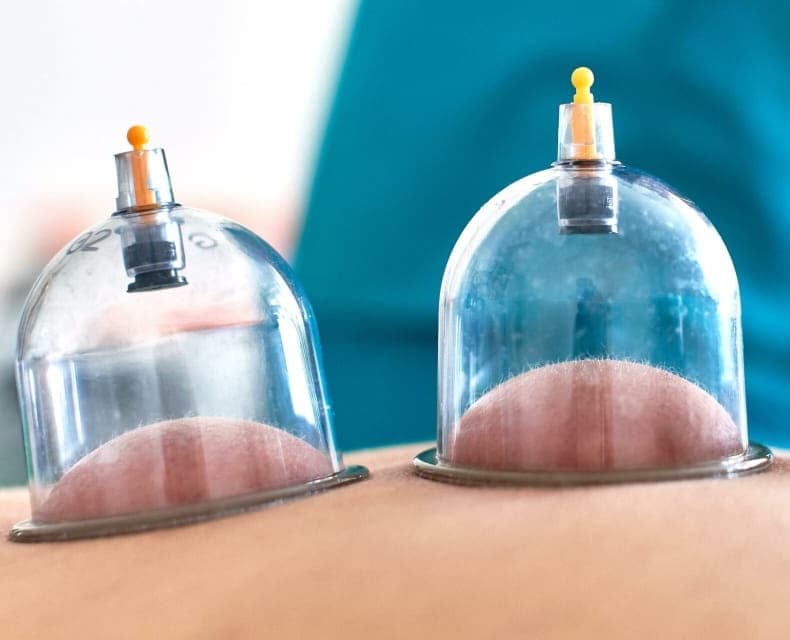
Cupping therapy, an age-old healing technique, has been increasingly embraced by physiotherapists around the world for its effectiveness in managing musculoskeletal pain and promoting recovery. Rooted in traditional Chinese and Middle Eastern medicine, this therapy involves placing special cups on the skin to create suction, stimulating blood flow and aiding in healing.
There are two primary forms of cupping utilized in physiotherapy:
- Dry Cupping - No bleeding; suction is created and cups are removed within a few minutes.
- Wet Cupping -A minimal quantity of blood is drained with superficial incisions in the skin prior to cupping (less frequently in physiotherapy practice).
How Does Cupping Benefit Physiotherapy?
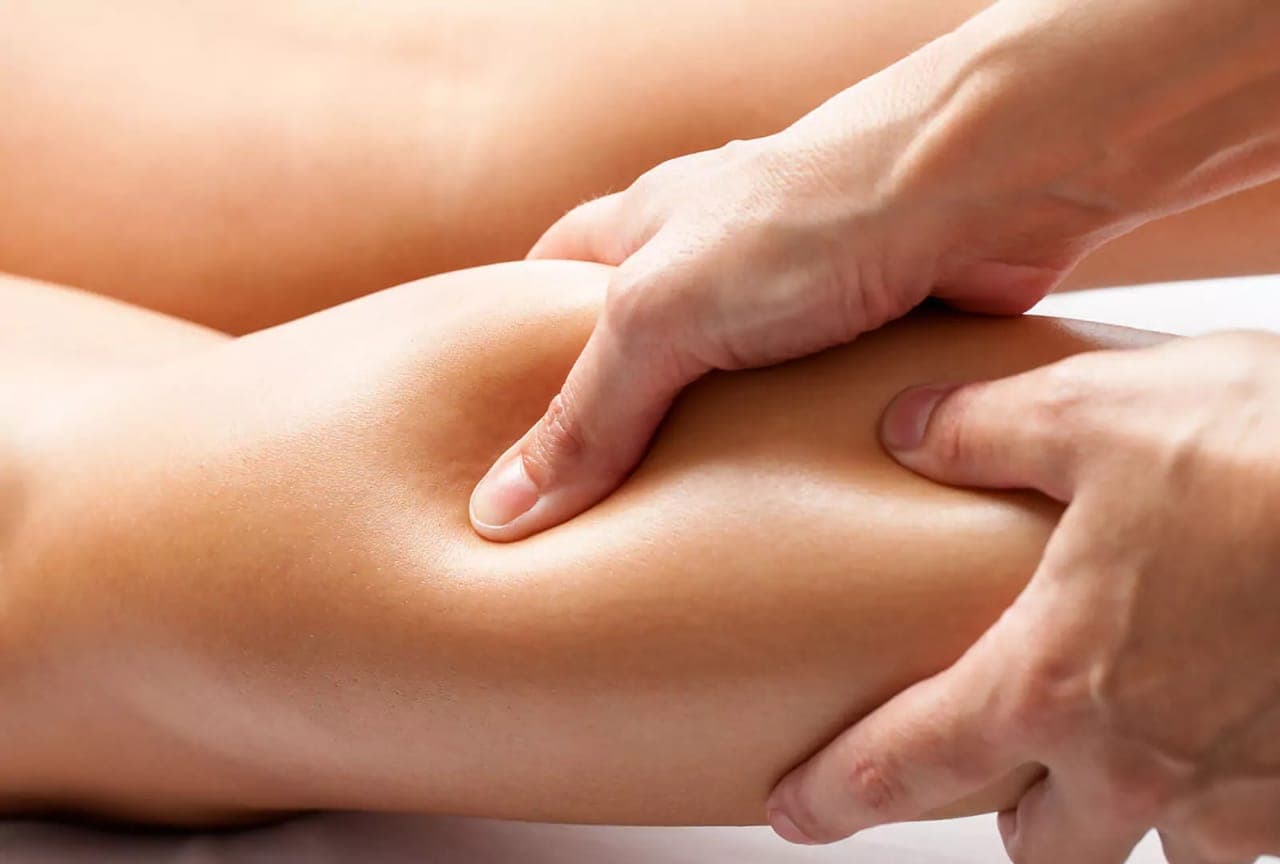
Physiotherapists utilize the cupping therapy as an adjunct treatment in addition to exercise therapy, manual therapy, and modalities. Its advantages are:
- Pain Relief - Suited for conditions such as back pain, neck pain, and shoulder tightness.
- Myofascial Release - Facilitates the loosening of contracted muscles and fascia.
- Enhanced Circulation - Enhances oxygen and nutrient delivery to damaged tissues.
- Eased Inflammation - Facilitates healing in long-term musculoskeletal conditions.
- Stress Relief - Relieves tension in muscles due to stress and poor posture.
Common Conditions Treated with Cupping
- Chronic back and neck pain
- Shoulder rotator cuff and impingement
- IT band syndrome
- Tennis elbow and golfer's elbow
- Fibromyalgia and trigger point therapy
- Post-exercise soreness (DOMS)
Is Cupping Safe?
If done by qualified practitioners, cupping is usually safe. Patients may develop temporary round marks or a light bruising at the site, which disappears within a few days. Cupping should not be used in individuals with:
- Skin infections
- Blood clotting disorders
- Open wounds or sensitive skin
- Certain cardiovascular or heart conditions
Cupping therapy has its niche in contemporary physiotherapy as an adjunct, non-surgical way to support recovery and manage pain. When used alongside evidence-based rehabilitation protocols, it may provide relief and support overall physical functioning. Discuss with our physiotherapists whether it suits your condition.
At Credence Physio, our accredited therapists incorporate cupping therapy into customized treatment plans specifically designed to meet your individualized needs. Whether you are recovering from injury or dealing with chronic pain, cupping may assist you in moving better and feeling better.
People Also Ask
How often should I get cupping therapy?
For acute conditions, cupping may be done 1-2 times per week. For maintenance and wellness, once every 2-4 weeks is typically recommended. Your physiotherapist will advise the best frequency for your condition.
What are the marks left by cupping therapy?
The circular marks from cupping are caused by increased blood flow to the treated area. They are not bruises and typically fade within 3-7 days. If marks concern you, discuss them with your physiotherapist.
Can cupping therapy help with back pain?
Cupping therapy may help with back pain alongside an active rehabilitation plan. It may improve local circulation, reduce muscle tension, and support recovery in the affected tissues. Suitability is assessed per patient.
Related conditions we treat
Ready to Start Your Recovery?
Get expert Cupping Therapy treatment at Credence Physio. Our experienced physiotherapists are here to help you recover faster.
Gottigere | HSR Layout | Akshaynagar Begur | Doddakannelli, Bangalore