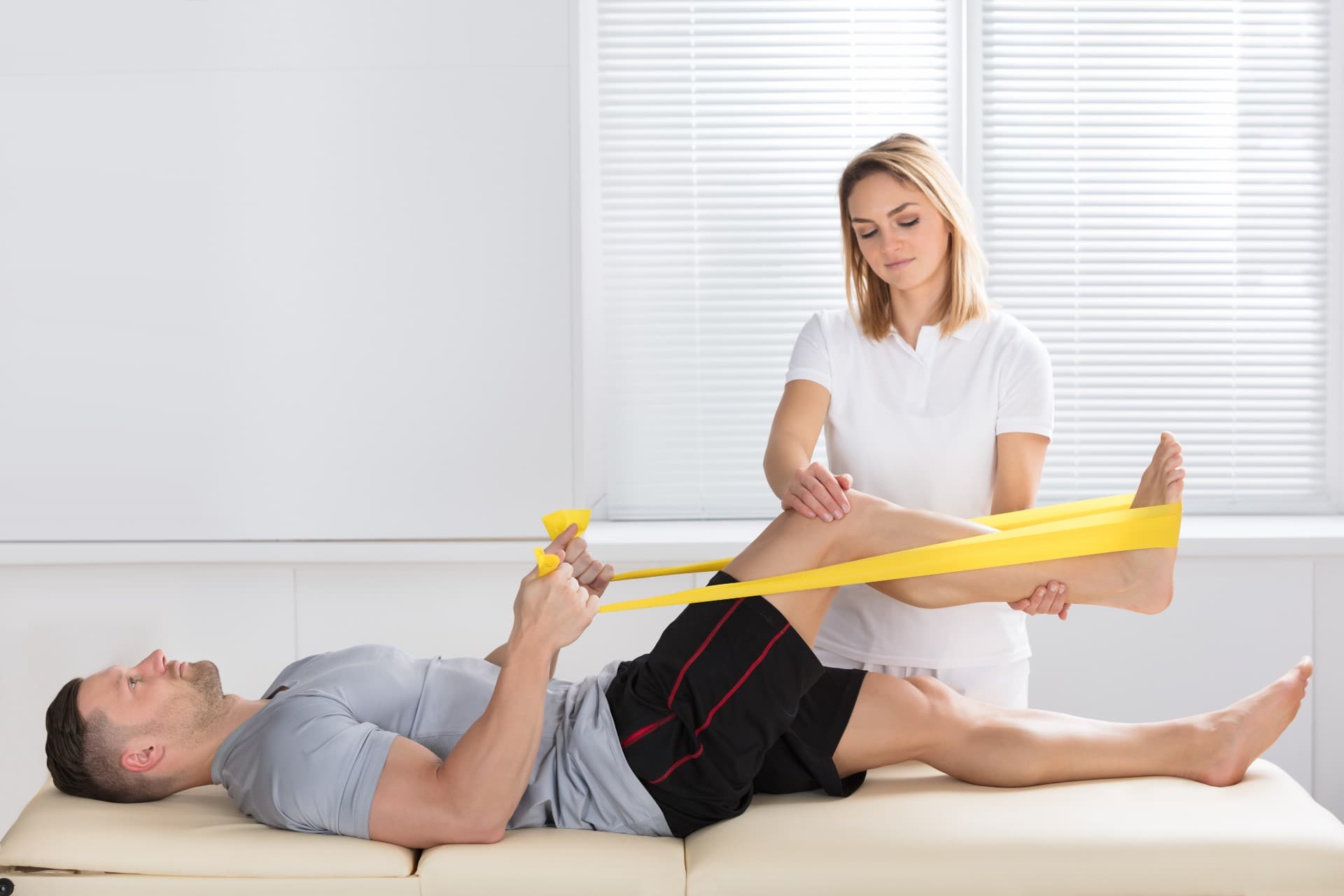
What is a CPM machine and how does it help in physiotherapy?
By Credence Physio Physiotherapy Clinic · Clinically reviewed by Credence Physio Clinical Team · Last reviewed: May 2026Understanding the CPM Machine
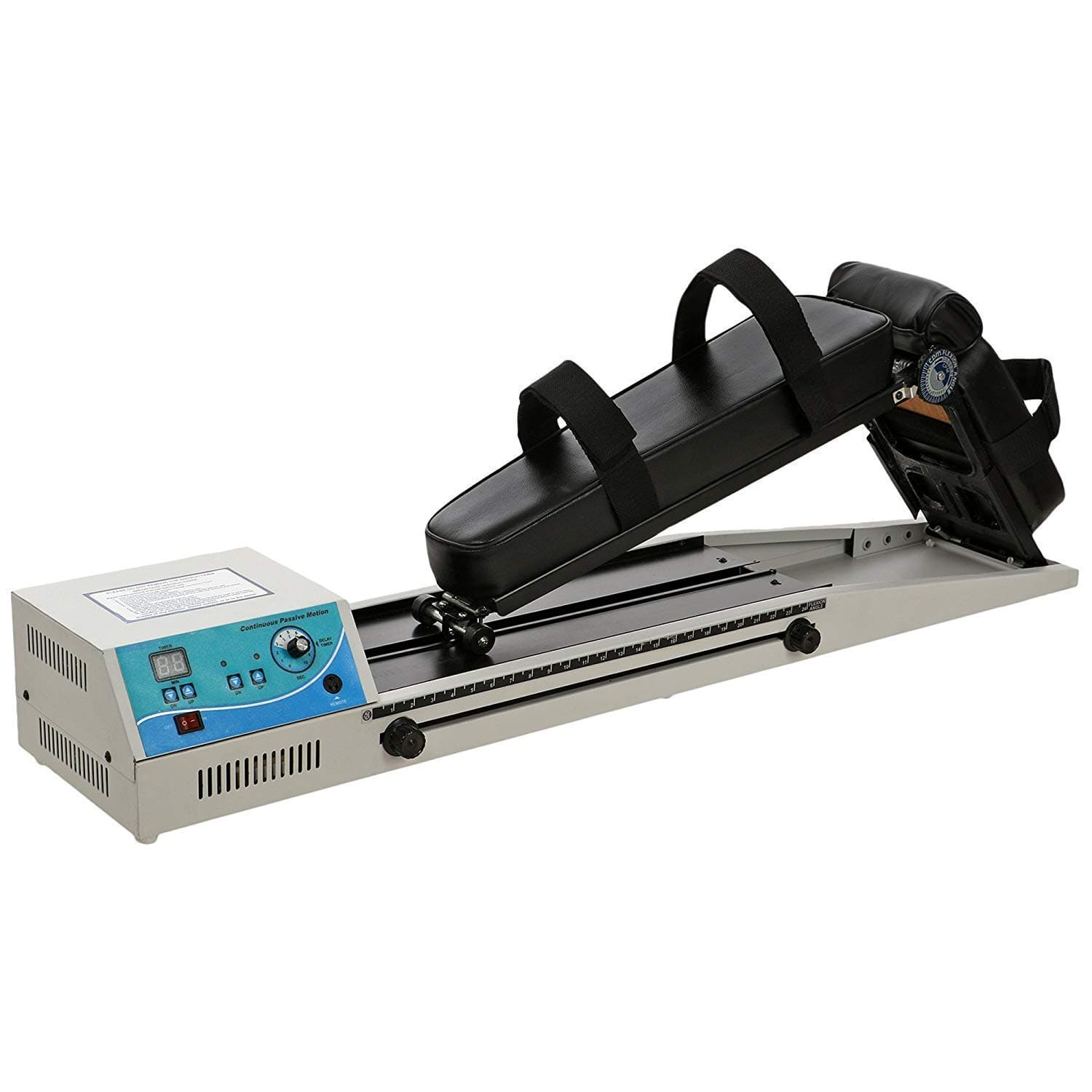
The Continuous Passive Motion (CPM) machine is a medical device used in physiotherapy to aid in the rehabilitation of patients recovering from surgery or injury. It works by gently moving the affected joint through a controlled range of motion, promoting healing and reducing stiffness.
CPM machines are commonly used after knee surgeries, such as total knee replacement, to help patients regain mobility and reduce pain. The machine can be adjusted to provide varying degrees of motion, allowing for a personalized rehabilitation experience.
CPM machines are most frequently used for the knee joint, but they can also be used for the shoulder, hip, ankle, and elbow depending on the patient's rehabilitation needs.
What is the purpose of a CPM machine in physiotherapy?
The primary purpose of a CPM machine is to assist early joint movement during the recovery phase. After surgery or injury, patients may experience pain, swelling, stiffness, and reduced mobility. Continuous passive motion helps the joint move safely and comfortably while minimizing stress.
Common Purposes Include:
- Improve joint mobility
- Prevent scar tissue formation
- Reduce stiffness after surgery
- Support faster rehabilitation
- Enhance patient blood circulation
- Complement physiotherapy exercises
- Reduce post-operative pain and swelling
- Improve patient comfort during recovery
- Maintain healthy cartilage and joint nutrition
What conditions are treated with CPM machines?
Physiotherapists commonly recommend CPM therapy after:
- Knee replacement surgery (Total Knee Replacement - TKR)
- Anterior Cruciate Ligament (ACL) reconstruction surgery
- Fracture rehabilitation
- Cartilage repair procedures
- Sports injuries recovery
- Post-operative orthopedic rehabilitation
- Meniscus repair surgery
- Joint stiffness and contractures
Benefits
- Improves Joint Mobility
CPM machines help patients regain movement in the affected joint gradually and safely. - Improves Blood Circulation
Continuous movement promotes healthy blood flow, which supports tissue healing. - Reduces Pain and Swelling
CPM therapy can help decrease inflammation and alleviate pain in the affected areas by promoting gentle movement. - Prevents Joint Stiffness
Early controlled motion prevents the joint from becoming stiff after surgery or prolonged immobilization. - Enhances Faster Recovery
Patients often recover functional movement more efficiently when CPM therapy is combined with physiotherapy exercises. - Supports Comfortable Rehabilitation
CPM machines are designed to provide a gentle and controlled range of motion, making the rehabilitation process more comfortable for patients. - Minimizes Scar Tissue Formation
CPM helps prevent adhesions and excessive scar tissue that can limit joint movement.
Identifying the root cause is essential for effective treatment.
Features of a CPM Machine
Modern CPM machines come with advanced features designed for safe and effective rehabilitation.
- Portable and lightweight design
- Adjustable range of motion settings
- Comfortable limb support
- Speed control options
- User-friendly digital controls
- Safety stop functions
- Adjustable timing and therapy duration
- Suitable for home care and clinical use
How does a CPM Machine work?
The patient's limb is placed securely on the machine, and the device gently moves the joint through a pre-set range of motion. The physiotherapist adjusts the settings based on the patient's condition, comfort level, and stage of recovery.
The movement is passive, meaning the patient does not actively use muscles during the therapy.
CPM Therapy combined with Physiotherapy
While CPM machines are highly beneficial, they work best when combined with a structured physiotherapy rehabilitation program. Physiotherapists guide patients through strengthening exercises, mobility training, pain management, and functional rehabilitation for complete recovery.
Who Should Use a CPM Machine?
CPM therapy should always be used under the guidance of a qualified physiotherapist or orthopedic specialist. The duration and intensity of therapy depend on:
- Type of surgery or injury
- Joint condition
- Recovery progress
- Pain levels
- Overall health condition
FAQs
A Continuous Passive Motion (CPM) machine is a medical device used in physiotherapy to aid in the rehabilitation of patients recovering from surgery or injury.
The CPM machine works by gently moving the affected joint through a controlled range of motion, promoting healing and reducing stiffness.
The benefits of using a CPM machine include improved joint mobility, reduced pain and swelling, and enhanced recovery after surgery.
Patients recovering from knee surgeries, such as total knee replacement, can benefit from using a CPM machine.
While CPM machines are generally safe, some patients may experience discomfort or irritation. It's important to follow the guidance of a healthcare professional.
The duration of CPM machine use varies depending on the patient's condition and the healthcare provider's recommendations. Typically, it may be used for several hours a day during the initial recovery phase.
Yes. Many portable CPM machines are available for home rehabilitation under physiotherapist supervision.
No. CPM therapy complements physiotherapy but does not replace strengthening and functional rehabilitation exercises.
Related care at Credence Physio
Ready to Start Your Recovery?
Get expert physiotherapy treatment at Credence Physio. Our experienced physiotherapists are here to help you recover faster.
Gottigere | HSR Layout | Akshaynagar Begur | Doddakannelli, Bangalore